
What Traders Should Watch
December has a way of making traders feel more confident than they should. The calendar gets lighter. Volume thins out. News flows become inconsistent. Markets often drift upward on sentiment alone, and everyone convinces themselves the move is clean. Then a single data print or headline shakes the whole structure and reminds everyone how fragile year end really is.
This year, that tension is louder than usual.
Weak private jobs data pushed rate cut expectations higher. Futures are pricing in more relief from the Federal Reserve. The Dow is brushing against all time highs. Tech is holding the market together. Headlines are using words like optimism, recovery, and momentum.
But anyone who has traded long enough knows that an optimistic December can hide more traps than opportunities.
This article is not here to hype a rally or predict a crash. It is here to look at December for what it is: a month built on hope, fragile structure, thin liquidity, and traders who either respect the environment or get punished by it. If you want a clean picture of what matters this week and for the rest of the month, this is it.

1. Weak jobs data is not the victory people want it to be
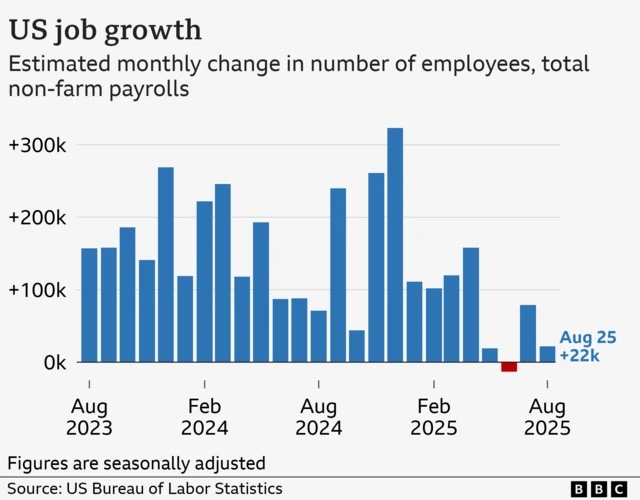
The market rallied because the latest jobs data came in soft. That softness increases the probability of rate cuts. Rate cut hopes spark risk appetite. Funds rotate into equities. Indices float higher.
The story sounds simple, but the underlying logic deserves a closer look.
Weak jobs signal an economy that is losing momentum. Consumers slow down. Spending drops. Earnings expectations get pressured. Businesses reduce hiring or freeze it. In a normal context, these are not signals of strength. They are warnings that the engine is cooling.
But because inflation has been the enemy for two years, weakness is now being treated as victory. The market is not rallying because the underlying economy is strong. It is rallying because traders believe the Federal Reserve will eventually step in and ease policy.
That is not a stable foundation. It is a balancing act. It creates opportunity, but it also demands respect. The rally is sentiment driven. Sentiment can flip on a single print.
2. Liquidity is thinning out every single day
This is where December traps most traders. Volume dries up. Market participants leave for the holidays. Funds close books. Market makers lighten their exposure. What looks like a strong trend can be an illusion created by the absence of sellers, not the presence of committed buyers.
The danger is simple. Thin liquidity exaggerates moves in both directions. Breakouts that look clean in the morning fade by the afternoon. Pullbacks that look harmless turn into shakeouts. The tape becomes more sensitive to random flows.
Traders who size as if it is September or October get blindsided. December does not reward aggression. It rewards patience, discipline, and awareness of context.
3. Rate cut hope is a double edged blade
There is a difference between a Fed cutting because inflation is under control and a Fed cutting because the economy is weakening faster than expected. The market treats both scenarios the same in the short term. In the long term, they lead to very different outcomes.
Right now, the market is pricing in the positive version. Inflation cooling. Policy easing. Growth stabilizing.
The risk is the other version. Inflation cooling because demand is cooling. Rate cuts sparked by economic slowdown. Earnings under pressure. Job markets weakening.
If that scenario shows up in any data over the next two weeks, sentiment can flip faster than traders expect. When a rally is built on hope, clarity becomes a threat.
4. This December favours disciplined traders, not aggressive ones
The best traders in environments like this are not the ones chasing every move. They are the ones focusing on clean setups only. They track levels. They follow the news calendar. They take trades that have structure, not noise.
In our community, the most consistent traders are doing one thing well right now. They are waiting for the market to come to them. They are not trying to be heroes. They are not forcing entries. They are not trying to predict what the market will do next. They are reacting to what the market is already showing.
This is the kind of month where your edge comes from doing less, not more.
5. The watchlist is not just tickers. It is catalysts.
If you want to stay sharp in December, you need to respect the calendar. Jobs data, inflation data, Fed communication, treasury auctions, earnings pockets, and unexpected geopolitical news have more impact now because liquidity is thinner.
Your process should be simple.
• Know the calendar
• Know which sectors react the most
• Know the levels that matter
• Size down
• Let the market confirm
This keeps you out of bad trades and positions you for the right ones.
6. What to watch this week
Here is what matters most as we head deeper into the month.
Jobs data. Weakness sparked this rally. Any follow up weakness or sharp revisions will influence expectations again.
Inflation prints. Even a small miss can shake rate cut confidence.
Treasury yields. If yields bounce, risk appetite can cool quickly.
Tech leadership. Tech is carrying the market. If momentum slows, indices lose their spine.
Liquidity shifts. You will feel them intraday. Respect them.
End of year positioning. Funds often de risk or window dress. Both create noise.
Nothing here is dramatic. It is just the reality of December. Clean, predictable, and easy to misinterpret if you chase the wrong signals.
7. How to stay grounded when everything feels easy
Rallies built on sentiment feel good. They make traders more confident than they should be. They make small mistakes feel invisible. They make late entries feel safe. They make risk feel optional.
That is exactly why December punishes the careless.
If you want to finish the year strong, you do not need to trade more. You need to trade with clarity. You need to understand the environment. You need to respect that the market rewards patience, not bravado.
A good December is built on:
• selective trades
• calm execution
• respect for data
• awareness of liquidity
• discipline in entries and exits
• community support when the tape gets confusing
This is not the month to chase. It is the month to stay sharp.
8. Final thought
December looks strong on the surface, but strength built on hopes of rate cuts is not the same as strength built on real growth. The rally is real, but the foundation is fragile. Weak jobs data is pushing markets up, but it is also telling a story that deserves attention.
The best way through December is simple. Stay patient. Read the tape carefully. Do not get pulled into noise. Respect liquidity. Respect the calendar. Respect the fact that the market can shift without warning.
Finish the year with clarity, not chaos.